APPAREL MANUFACTURING GUIDE / 28
How to Develop a Custom Jacket Collection: A Complete Guide for Fashion Brands
A jacket often carries more design and construction decisions than a basic top. Fabric, lining, closures, pockets, collars and finishing all influence how the garment looks and performs. Developing a successful jacket collection means balancing creative direction with practical manufacturing requirements.
1. Define the role of the jacket
Start by deciding what the jacket is meant to do. Is it a lightweight everyday layer, a structured fashion piece, a warm outer layer or a versatile transitional product? The intended use will influence fabric, lining, weight, fit and details.
Describe the customer, season and styling direction. Reference images are useful, but explain which elements you want to keep and which are only inspiration. This helps the manufacturer understand the product rather than simply copying a photograph.
2. Select the outer fabric
The outer fabric has a major effect on appearance, hand feel, drape and function. Consider fiber content, weight, surface texture, weave or knit structure, durability and care requirements. A soft fabric may create a relaxed silhouette, while a firmer material may support a more structured shape.
Ask for material options that match the product’s intended use and target quality. Review color availability, fabric width and whether the material can be sourced consistently for the planned quantity and future repeat orders.
3. Decide whether the jacket needs a lining
A lining can improve comfort, help the garment slide over layers and contribute to the overall structure. Some jackets use a full lining, while others use partial lining or no lining. The right choice depends on the design, season, fabric and target price.
If a lining is included, confirm its material, color, weight and construction. Check how it connects at the hem, sleeves, neckline and openings. A poorly considered lining can pull, twist or affect the way the jacket hangs.
4. Choose closures and hardware carefully
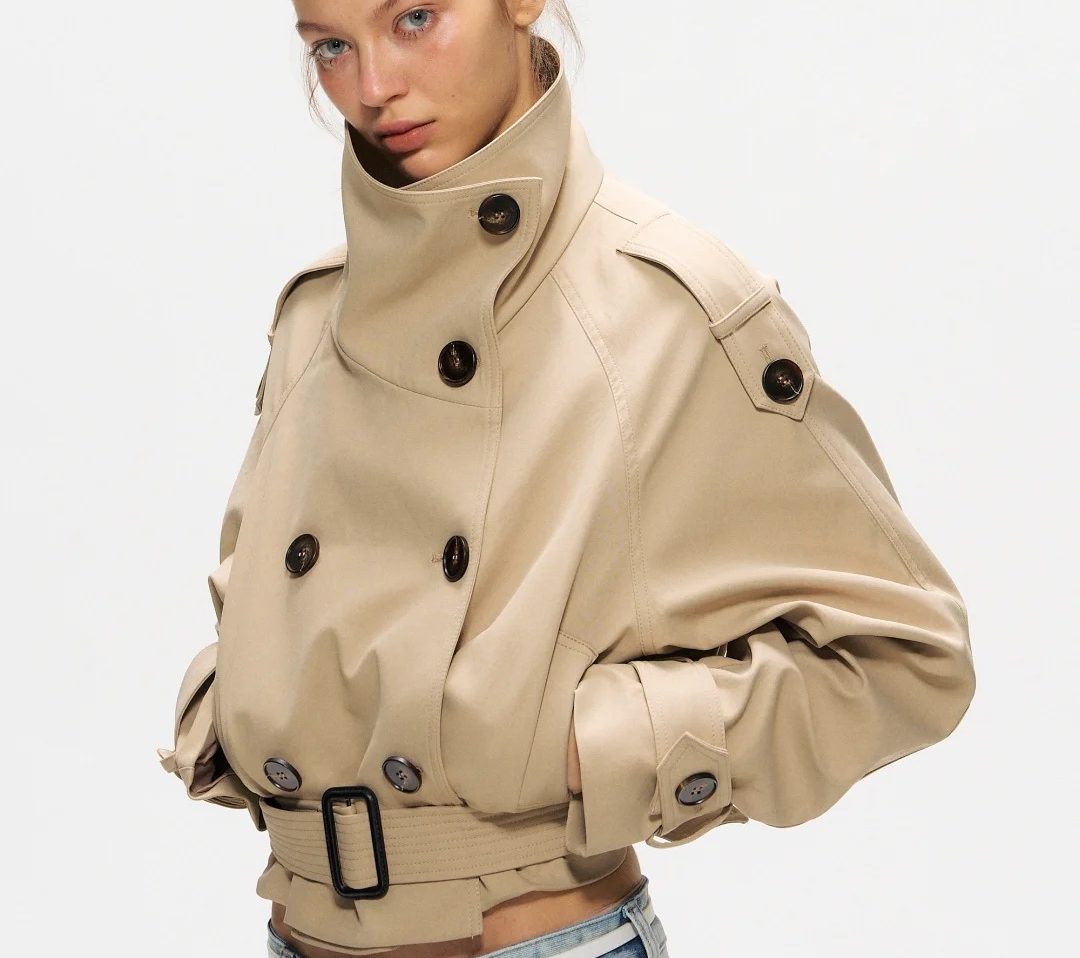
Zippers, snaps, buttons, hook-and-loop fasteners and other closures should suit the garment’s purpose and appearance. Consider opening direction, length, tape color, puller design and ease of use. Hardware should be compatible with the fabric and construction.
Custom zipper pulls or buttons may be considered for a branded look, but they can require additional sourcing and minimum quantities. Confirm specifications early and approve the actual component on a sample.
5. Plan pockets and functional details
Pocket type and placement affect both appearance and usability. Decide whether the jacket needs patch pockets, welt pockets, zip pockets, internal pockets or a combination. Record pocket dimensions, opening direction, closure type and position on the technical drawing.
Other details may include adjustable cuffs, drawcords, storm flaps, vents, collar tabs or detachable components. Prioritize features that support the design and customer. Too many unnecessary details can increase complexity without improving the product.
6. Develop the fit and size range
A jacket must work over the layers customers are expected to wear underneath. Define whether the fit is slim, regular, relaxed or oversized. Check shoulder width, chest ease, sleeve movement, body length and collar comfort. If the garment is intended for layering, test it over a suitable base layer.
Prepare a measurement chart and grading rules. Review more than the base size when possible, because sleeve and body proportions can change noticeably across a size range.
7. Coordinate labels, decoration and branding
Decide where brand labels, care labels, patches, embroidery or prints should appear. Some jackets use visible exterior branding, while others keep branding subtle on the inside. Provide artwork, dimensions, colors and placement measurements.
Check whether decoration should be applied before or after certain construction steps. Embroidery on a panel, for example, may need to be completed before the panel is assembled. Confirm the sequence with the manufacturer during development.
8. Build and review a complete sample
The first sample helps reveal whether the design works as a garment. Review silhouette, fabric, lining, closures, pockets, stitching and comfort. Record corrections clearly and update the tech pack. If the fabric or hardware changes, check whether the new material affects fit or construction.
Before bulk production, approve a sample that represents the intended final materials and workmanship. Keep the approved reference and written specifications together so production can follow the same standard.
Bring the collection together
A jacket collection feels cohesive when its materials, colors, hardware and design details share a clear direction. You can create variety through different silhouettes while maintaining a consistent brand identity through trims, labels and finishing.
Explore custom jacket manufacturing with YUETAO APPAREL and prepare your next outerwear project with a clear development brief.
Have a Jacket Concept Ready?
Share your reference images, fabric direction, construction details and target quantity with YUETAO APPAREL to discuss custom development and request a quotation.
Leave a Reply